
Description
Buy Crack Cocaine Online Australia
It is a term that often conjures up images of desperation and chaos. But what exactly lies behind this notorious substance? This powerful drug has woven its way through society, affecting countless lives along the way. Understanding it goes beyond mere statistics; it’s about human experiences, struggles, and the quest for recovery.
In this blog post, we will delve into the ins and outs of it—its history, effects on health, signs of addiction, treatment options available to those in need, and the dangers that accompany its use. Whether you’re looking to educate yourself or support someone who may be affected by this issue, gaining insight into it is essential. Let’s explore together.
What is Crack Cocaine?
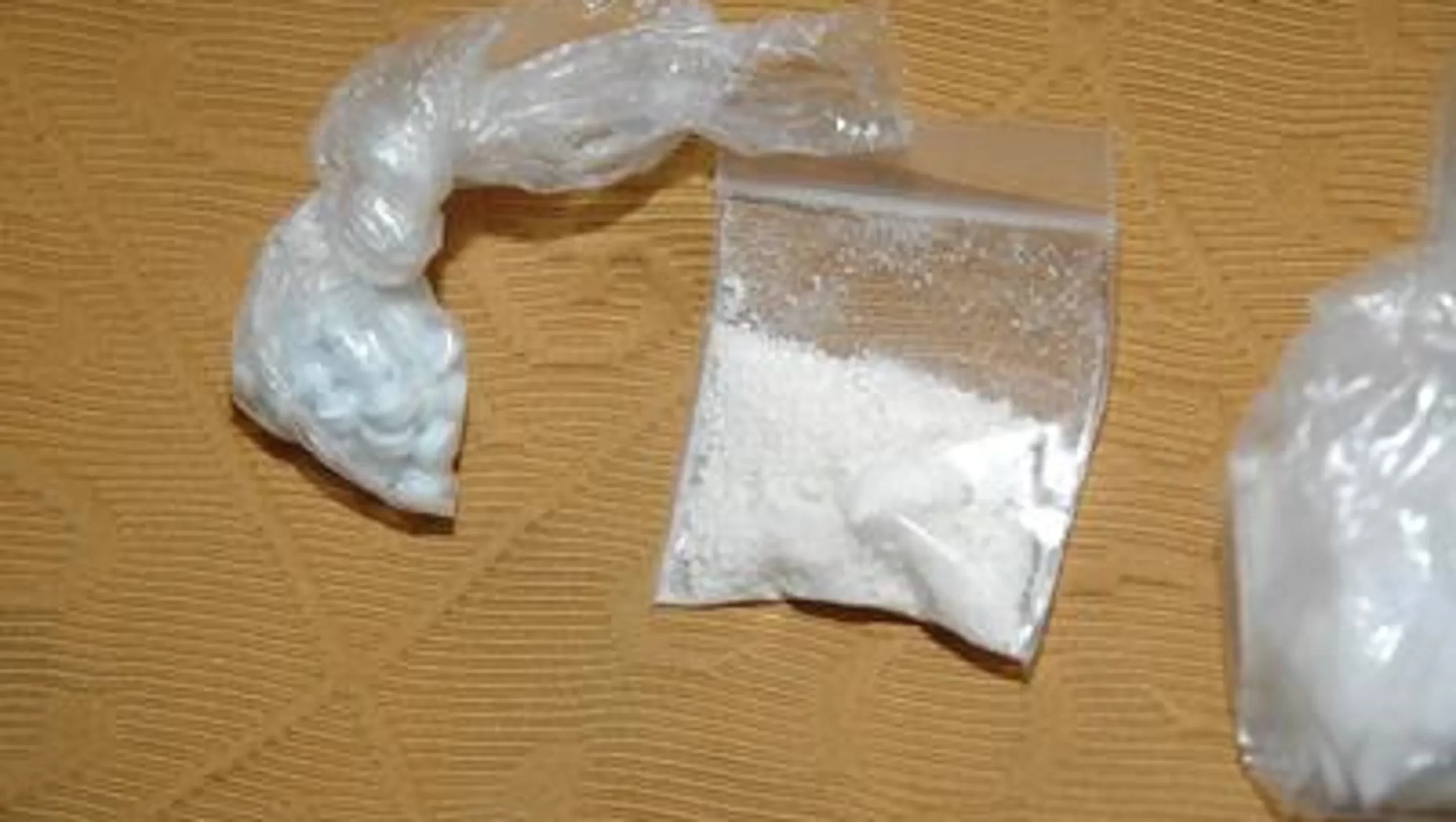
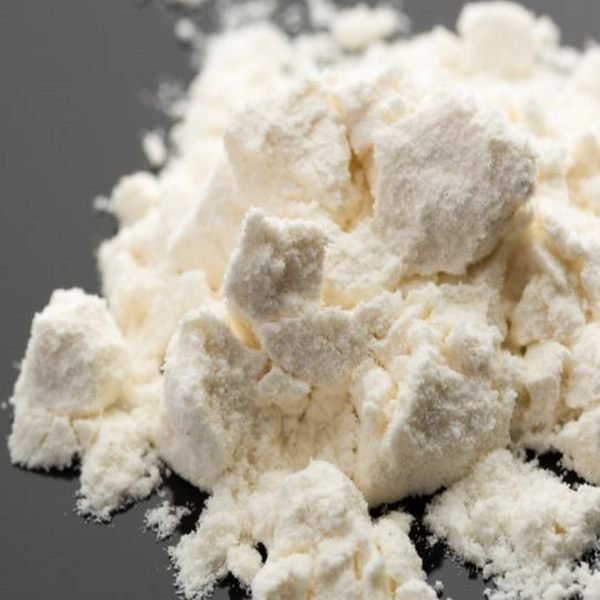
It is a powerful stimulant derived from powdered cocaine. It is processed into small, hard rocks that can be smoked. This method of consumption allows it to enter the bloodstream rapidly, leading to an intense and immediate high.
The name “crack” comes from the crackling sound produced when the substance is heated. Users often seek this quick burst of euphoria, which can alter mood and perception drastically.
Unlike its powdered counterpart, it is considered more addictive due to its potency and rapid onset of effects. The high may last only a few minutes but leaves users craving more almost immediately.
This drug doesn’t just affect individuals; it has broader implications for families and communities. Understanding what it truly is helps highlight the urgency surrounding its impact on society today.
History
It emerged in the early 1980s, transforming the drug scene across America. This powerful form of cocaine was created by chemically altering powdered cocaine with baking soda and water, then heating it to produce hard crystals.
The introduction of crack coincided with a surge in urban poverty and crime. It quickly became popular due to its affordability and intense effects, making it accessible to many who had never used drugs before.
As crack spread through cities like Los Angeles and New York, so did its notorious reputation. Media coverage often highlighted its devastating impact on communities, portraying users as trapped in addiction.
Government responses included strict anti-drug laws that disproportionately targeted minority populations. The war on drugs intensified during this period, leading to lengthy prison sentences for many involved with it—whether they were users or dealers.
This dark chapter in history left lasting scars on society that are still felt today.
Effects on the Body and Brain
It profoundly impacts both the body and brain. When inhaled, it reaches the bloodstream almost instantly, leading to an intense rush of euphoria. This quick high is often what users chase.
Physically, crack can elevate heart rate and blood pressure significantly. The risk of stroke or heart attack increases dramatically with use. Long-term effects may include respiratory issues due to lung irritation from smoke.
In terms of mental health, crack alters neurotransmitter levels in the brain. Dopamine surges cause feelings of pleasure but also lead to severe cravings when not using. Users can experience anxiety, paranoia, and hallucinations over time.
Moreover, addiction rewires neural pathways, making it challenging for individuals to feel joy without the drug. Cognitive functions may decline as well—memory loss and decreased decision-making abilities are common among chronic users.
Signs of this product Addiction
Recognizing the signs of it addiction is crucial for early intervention. Changes in behavior often become apparent. A person may exhibit increased secrecy, withdrawing from friends and family.
Physical symptoms are also common. Noticeable weight loss can occur as appetite diminishes. Additionally, users may experience dilated pupils or a runny nose.
Emotional instability is another indicator. Mood swings ranging from euphoria to irritability might be frequent. These shifts can cause strain on personal relationships.
Financial issues might arise too. Frequent requests for money or sudden financial problems could signal dependency on the drug.
Neglecting responsibilities at work or home becomes evident over time. This decline in performance reflects the all-consuming nature of addiction and highlights the need for support and understanding during recovery efforts.
Treatment Options for this product Addiction
It is multifaceted and requires a tailored approach. Many individuals benefit from inpatient or outpatient rehabilitation programs, where they receive support in a structured environment.
Counseling plays a crucial role in recovery. Cognitive-behavioral therapy (CBT) helps modify harmful thought patterns that contribute to drug use. Group therapy also offers community support, allowing individuals to share experiences and strategies.
Medication can assist some patients by reducing cravings or withdrawal symptoms. Options like bupropion or modafinil are sometimes used alongside counseling.
Aftercare is essential too. Continued engagement with support groups such as Narcotics Anonymous provides ongoing motivation and accountability post-treatment.
Addressing underlying mental health issues through integrated care can greatly enhance the chances of long-term success in overcoming addiction to it.
The Dangers of Using this product
It poses severe risks to both physical and mental health. Its potent nature can lead to rapid addiction, often after just one use. Users may experience intense euphoria initially, but this is quickly followed by debilitating crashes.
The drug significantly impacts the cardiovascular system. Increased heart rate and elevated blood pressure can result in heart attacks or strokes, even in young users.
Psychologically, it can cause anxiety, paranoia, and hallucinations. These effects warp reality and lead to dangerous behavior.
Socially, addiction disrupts relationships and careers. The compulsive need for the drug overshadows responsibilities.
Long-term use damages brain structure and function. Memory loss and cognitive decline are common among chronic users.
The cycle of dependency is hard to break once it begins. Awareness of these dangers is crucial for prevention efforts in communities everywhere.
Conclusion
It remains a significant issue in many communities. Its addictive nature and the severe consequences it brings to individuals and families cannot be ignored. Understanding what it is, its history, effects on the body and brain, signs of addiction, available treatments, and associated dangers is crucial for raising awareness.
Education plays a key role in prevention efforts. By offering support to those struggling with addiction and encouraging open discussions about drug use, we can create healthier environments. It’s important for friends and family members to recognize the signs of addiction early on so that timely intervention can occur.
Treatment options are varied but often require professional help. Recovery from its addiction is possible when individuals seek appropriate care and support networks. Being informed fosters compassion towards those affected by this substance abuse crisis.
Addressing its impact on society requires collective action. Through continued education, community resources, treatment programs, and supportive relationships, progress can be made toward reducing its prevalence while helping those in need reclaim their lives from addiction.

Reviews
There are no reviews yet.