


Description
Buy Crystal Meth Online Australia – Best Stimulant
Introduction
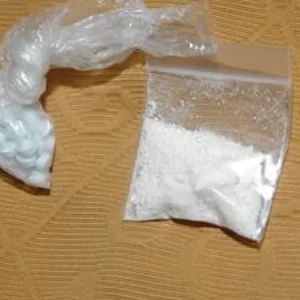
It is often simply called meth, is a powerful and highly addictive stimulant that has captured headlines for decades. Its shimmering appearance resembles rock candy, which can be misleading given the havoc it wreaks on individuals and communities alike. A substance shrouded in stigma yet surrounded by curiosity, it has deep roots in society’s drug culture.
As we navigate through its history and effects, we’ll uncover how this illicit drug impacts not just users but also families, neighborhoods, and our environment. Understanding this product is crucial for fostering awareness about addiction’s grip on many lives today – an issue far more pervasive than most realize.
Join us as we delve into the dark world of this product: from its origins to the struggles faced by those ensnared by its allure. It’s time to shed light on this complex topic with sensitivity and insight.
History
Methamphetamine, has roots that trace back to the early 20th century. It was first synthesized in 1887 by a Japanese chemist named Nagai Nagayoshi. Initially, it was used in its injectable form to treat various medical conditions.
During World War II, military forces utilized methamphetamine to keep soldiers alert and energized during long missions. This use popularized the drug among troops on both sides of the conflict.
By the late 1950s, doctors began prescribing it for weight loss and depression. However, as recreational use increased throughout the decades, authorities recognized its potential for abuse.
The emergence of street versions led to widespread addiction issues by the 1990s. Today’s illegal production often involves toxic chemicals and dangerous methods. The dark journey of this substance highlights society’s ongoing struggle with addiction and public health crises related to stimulant abuse.
How is this product Made?
Methamphetamine, is primarily synthesized using a combination of readily available chemicals. The process often starts with pseudoephedrine, a common ingredient in cold medications.
Illegal manufacturers extract this compound to create the potent drug. They then utilize various hazardous substances like anhydrous ammonia and lithium from batteries. Combining these ingredients can lead to explosive reactions.
The method varies widely among producers. Some use sophisticated lab setups while others rely on makeshift operations in homes or garages. These conditions are not only dangerous for the users but also pose significant risks to surrounding communities.
Moreover, the toxic waste generated during production contaminates local environments, leading to long-lasting effects that ripple through ecosystems and human health alike. Understanding these processes sheds light on the challenges faced by authorities trying to control its spread.
Effects and Dangers of Using this product
It is a powerful stimulant, wreaks havoc on both the body and mind. Users often experience an intense rush of energy and euphoria initially. But this high quickly gives way to severe consequences.
Physically, it can lead to extreme weight loss, dental issues—often referred to as “meth mouth”—and skin sores. The long-term use of the drug compromises critical bodily functions.
Mentally, it alters brain chemistry. Anxiety, paranoia, hallucinations, and violent behavior are common among users. These effects make everyday life challenging and relationships strained.
The risk of addiction is significant. Tolerance builds rapidly; what once provided pleasure soon demands more substance for any effect at all. Withdrawal symptoms can be brutal: fatigue, depression, and cravings that feel insurmountable.
Moreover, engaging in illegal activities for money or drugs becomes a vicious cycle that traps many individuals further into despair.
Signs of Addiction and Treatment Options
Recognizing the signs of it addiction can be challenging. Individuals may display drastic changes in behavior. Increased irritability and mood swings are common indicators.
Physical symptoms often accompany these behavioral shifts. Rapid weight loss, dental issues, and skin sores may emerge over time. Users might isolate themselves from friends and family, leading to a noticeable withdrawal from social activities.
If you or someone you know is struggling with addiction, various treatment options are available. Behavioral therapies play a significant role in recovery. These approaches help individuals develop coping strategies and address underlying issues.
Support groups offer an essential community aspect during this journey. They provide shared experiences that foster understanding and encouragement among members facing similar challenges.
Medical professionals can also assist by prescribing medications aimed at managing withdrawal symptoms or cravings. Comprehensive care tailored to individual needs enhances the likelihood of successful recovery.
Impact on Society and the Environment
It has far-reaching consequences that extend beyond individual users. Communities suffer as addiction rates climb, leading to increased crime and strained social services. Families are torn apart, leaving children vulnerable and often in unstable situations.
The production of this product poses severe environmental risks too. Toxic chemicals used in its synthesis contaminate soil and water sources. Abandoned labs become hazardous waste sites, threatening local ecosystems.
Law enforcement agencies spend significant resources tackling the fallout from this epidemic. Hospitals face rising numbers of patients experiencing health crises related to drug use, which adds strain to already burdened healthcare systems.
Public spaces also feel the impact as discarded paraphernalia litters neighborhoods. This creates an unsafe environment for residents while diminishing quality of life in affected areas. The ripple effects can be felt across generations, influencing societal norms and values surrounding substance abuse.
Alternatives to this product Use
Finding alternatives to this product is essential for those seeking healthier coping mechanisms. Engaging in physical activity can be a great distraction and mood booster. Exercise releases endorphins, which help reduce stress naturally.
Creative outlets like painting, writing, or playing music can also provide an emotional release. These activities allow individuals to express themselves without resorting to harmful substances.
Mindfulness practices such as yoga and meditation are effective ways to cultivate inner peace. They promote mental clarity and resilience against cravings.
Connecting with supportive friends or joining community groups fosters a sense of belonging. This social interaction helps combat feelings of isolation that often accompany addiction.
Professional therapy offers personalized strategies for recovery. A trained therapist can guide individuals through the challenges they face while providing valuable tools for lasting change.
Conclusion
Understanding the complexities of it, is crucial. This substance has a deep-rooted history and poses serious dangers to individuals and society alike. Its production is often shrouded in secrecy, contributing to its allure but also revealing significant risks.
The effects on users can be devastating, leading to severe addiction and health issues. Recognizing the signs of addiction early can make a vital difference in seeking treatment options that are available today.
Moreover, it’s essential to acknowledge how it impacts not just users but communities as well. The environmental toll from its manufacture adds another layer of concern that cannot be ignored.
Exploring alternatives offers hope for those struggling with substance use. Healthy coping mechanisms and support systems exist beyond drugs like crystal meth.
Awareness plays a key role in combating this issue while fostering understanding within our communities about the real challenges posed by drug use.
Reviews
There are no reviews yet.